



Case Overview
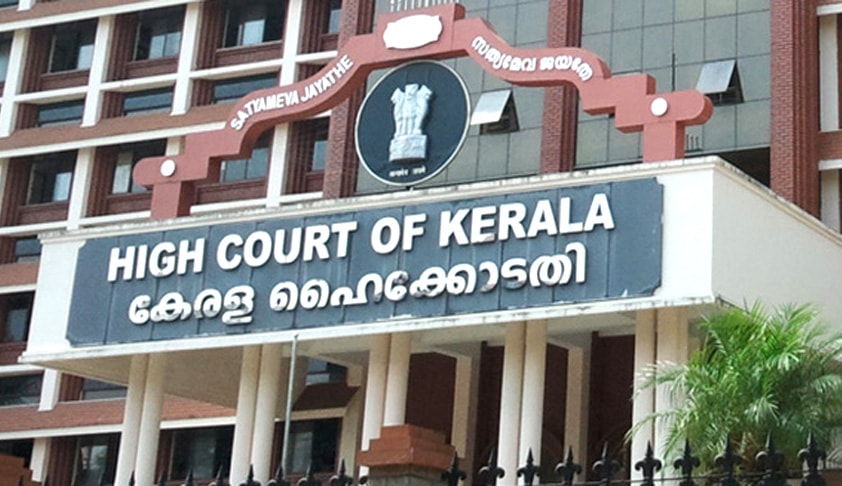
On 11 April 2025, the Kerala High Court gave a very important decision in Indian Medical Association (IMA) v. Union of India (UOI). The case was about whether associations like IMA have to pay GST on services they provide to their own members.
The Court looked at Section 7(1)(aa) of the CGST Act, 2017, which said some services by associations to their members would be treated as taxable. IMA argued this was unfair and unconstitutional. The Court agreed with IMA and struck down the law, saying such member-to-member services should not be taxed.
Background
- What Section 7(1)(aa) said
- It treated services provided by associations to their members as taxable under GST.
- It was applied retrospectively, meaning associations could be asked to pay GST for past years.
- IMA’s Argument
- IMA said this was wrong because of the doctrine of mutuality – money collected and services given within a group of members is not a business transaction.
- They also said the law violated constitutional rights, including equality (Article 14) and freedom to work (Article 19(1)(g)).
- Who is affected
- Not just professional groups like IMA, but also Resident Welfare Associations (RWAs) and similar member-based organizations.
Doctrine of Mutuality
The doctrine of mutuality means:
- When an association collects money from its members and provides services only to its members, it is not making a profit.
- This money is used for the group’s benefit, not for selling goods or services.
- Therefore, GST should not apply.
The Court said this principle has been recognized before and should protect associations from unnecessary taxes.
Court’s Findings
- Retrospective GST is unfair
- Making associations pay GST for past years is not fair.
- People cannot be expected to pay tax for something they were not taxed on before.
- Law violated fundamental rights
- Article 14: Treats similar associations differently.
- Article 19(1)(g): Limits the freedom to work without extra burden.
- Article 265: Tax can only be applied by law fairly.
- Article 300A: Protects property rights – forcing past GST payments violates this.
- Mutuality principle confirmed
- Money and services exchanged within members of an association are not real supply.
- Associations cannot be treated as businesses for GST when dealing with their own members.
- Conclusion by Court
- Section 7(1)(aa) and related rules were unconstitutional.
- Associations like IMA do not have to pay GST on member services.
Impact of the Judgment
- For Professional Associations
- Organizations like IMA are exempt from GST on member services.
- Helps them focus on professional work instead of worrying about tax.
- For RWAs
- Resident Welfare Associations collecting maintenance fees may also not have to pay GST.
- This reduces extra financial burden on members.
- For Similar Cases
- Other associations can use this ruling to challenge unfair GST demands.
- Confirms that the mutuality principle is recognized in Indian law.
- For Tax Authorities
- GST officers may need to refund tax collected under this provision.
- May also stop sending notices for past GST claims to associations.
Key Points to Remember
- Retrospective GST on associations is unfair and unconstitutional.
- Doctrine of mutuality protects associations from GST on member services.
- Both professional associations and RWAs are exempt from such taxes.
- Constitutional rights like equality, freedom to work, and property rights were upheld by the Court.
- This sets a strong legal precedent for similar cases in the future.
TL;DR
The Kerala High Court on 11 April 2025 said that associations like IMA do not have to pay GST on services given to their own members. The Court confirmed the doctrine of mutuality and struck down Section 7(1)(aa) of the CGST Act. This protects associations and RWAs from unfair tax on internal member services.
You can read the judgment below:

Leave feedback about this